How Secure Data Center Providers in India Protect Your Infrastructure
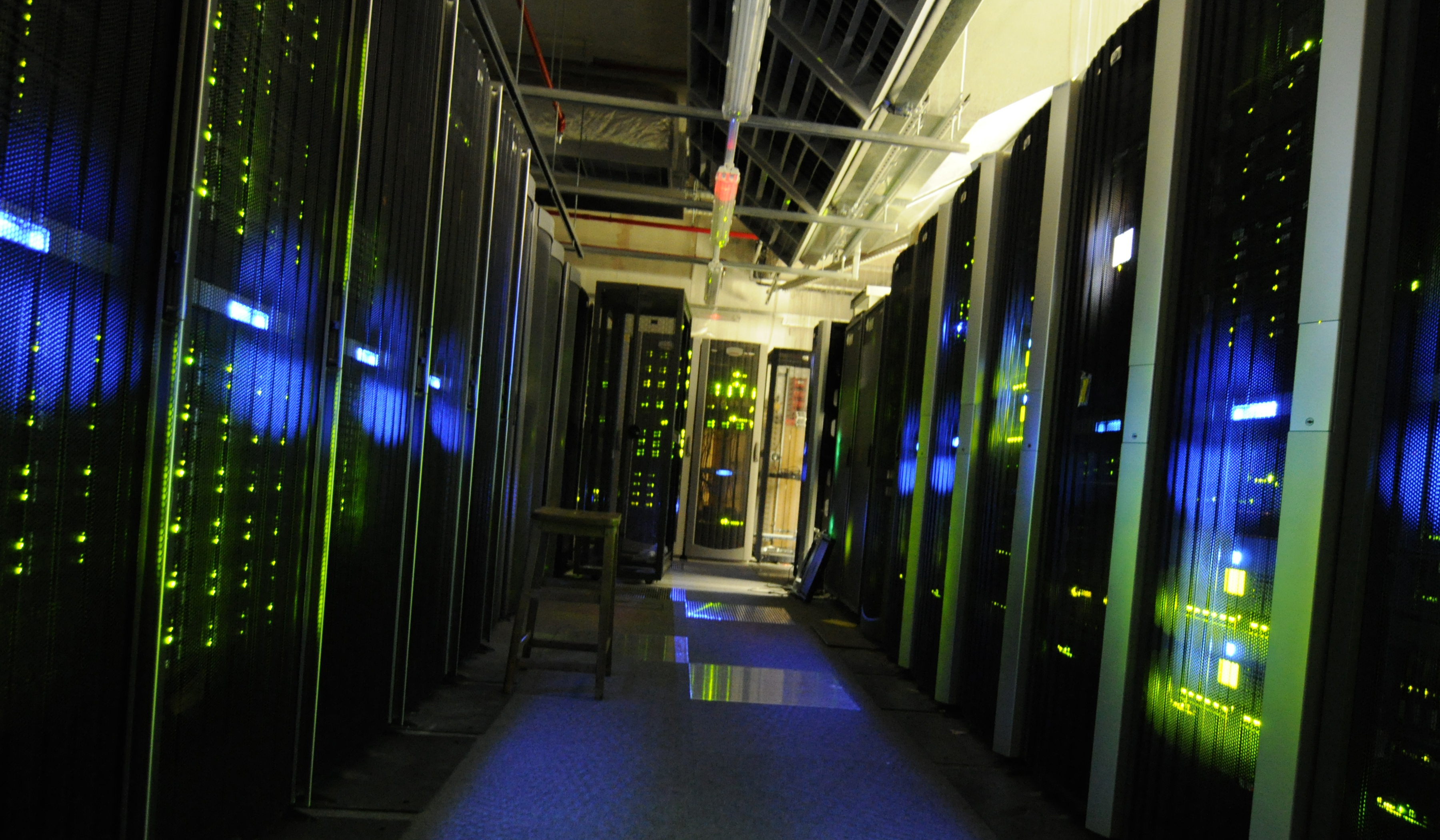
India’s digital transformation has made secure data centers a critical foundation for cloud, colocation, and hybrid infrastructure. Whether you’re hosting business applications, storing regulated data, or enabling remote work at scale, choosing secure data center providers in India helps reduce risk from physical intrusion, cyber attacks, and operational downtime.
Understanding the security landscape
The best providers use a “defense-in-depth” approach—multiple independent security layers so one failure does not expose your systems. If you’re comparing providers, also review industry insights like our guide on Top 10 Data Center Companies in India.
Physical security measures used by top providers
Physical controls are the first barrier. Reputed data centers typically deploy perimeter protection, controlled entry points, multi-factor authentication (badge + PIN + biometrics), and strict visitor management. Access logs and audit trails help with investigations and compliance.
Surveillance and monitoring
24/7 surveillance with strategically placed CCTV (with retention policies), motion detection, and real-time alerting are standard. Many facilities operate a dedicated security monitoring room to ensure rapid response.
Network security and cyber threat protection
Secure providers deploy enterprise-grade firewalls, IDS/IPS, segmentation, and continuous vulnerability management. For DDoS, they often combine upstream filtering with traffic scrubbing to block malicious traffic while keeping legitimate business online.
Encryption and privacy controls
Strong providers support encryption in transit (TLS) and at rest (storage encryption), plus tenant isolation in shared environments. Privacy-focused controls are especially important for regulated industries and sensitive personal data.
Compliance certifications and industry standards
Certifications show process maturity and audited controls. Common ones include ISO 27001 (ISMS), SOC 2 Type II, and PCI DSS where payment data is involved. Always ask for the latest audit reports and the certification scope.
Tier certifications and reliability
Tier certifications validate infrastructure redundancy and availability. Tier III supports concurrent maintenance, while Tier IV targets fault tolerance with highly redundant systems. Match this to your application criticality and DR objectives.
Disaster recovery and business continuity
Leading providers offer replication, backup, and DR options across geographically separated sites. A solid DR plan includes periodic testing, documented runbooks, and clear incident communication.
Power and environmental controls
Reliable data centers use redundant UPS, generator backup, and dual power paths, along with precise cooling and environmental monitoring. Fire detection and suppression systems are designed to protect equipment while minimizing service disruption.
Secure colocation for enterprise clients
Colocation lets you place your own hardware in secure cabinets/cages, while the provider manages facility-grade security, power, and cooling. For enterprises, secure cross-connects and controlled interconnections are key for predictable performance and governance.
Selecting the right secure data center provider in India
Before finalizing, do a site visit (if possible), verify compliance documents, and review the SLA: uptime, incident response, access policy, and escalation matrix. Customer references can also validate real-world experience.
Top 5 Frequently Asked Questions
Q1. What security certifications are important to look for?
ISO 27001 is a strong baseline. SOC 2 Type II is valuable for control effectiveness, and PCI DSS applies if you handle payment card data. Tier III/IV helps validate availability and redundancy.
Q2. How do Indian providers compare with global standards?
Many leading Indian providers align with global best practices through certified controls, modern security tooling, and trained SOC teams. Always validate via audits, certifications, and facility processes rather than claims.
Q3. What’s the difference between Tier 3 and Tier 4?
Tier III supports concurrent maintenance (redundancy allows planned work without downtime). Tier IV aims for fault-tolerant design so a single failure does not impact operations.
Q4. How do providers protect against DDoS?
Using layered defense: edge filtering, rate limiting, traffic scrubbing, and 24/7 monitoring for quick mitigation and incident handling.
Q5. Can I visit the facility before selecting a provider?
Yes—most reputed providers offer controlled tours where you can review security controls, access procedures, and monitoring setup, while restricted zones remain protected.