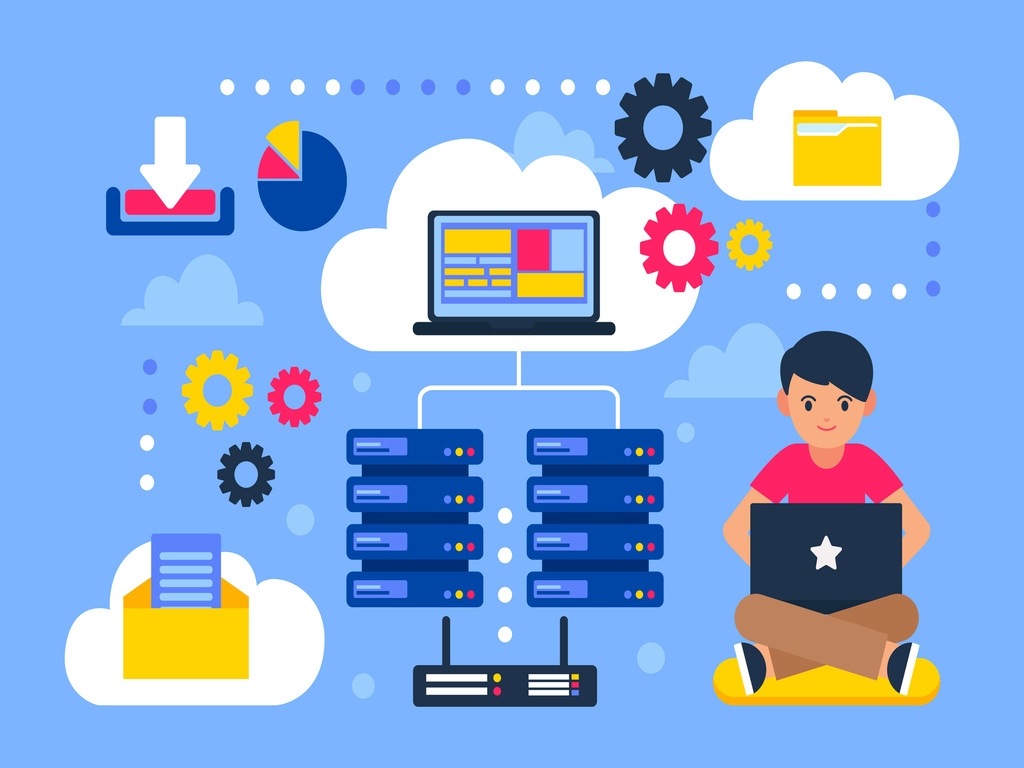
How to Plan a Smooth and Secure Data Center Migration
ACIPL · Information · 10 Nov. 2025
In this digitally-driven world, companies rely on reliable and efficient IT infrastructure. As technology advances and technology advances, the need to shift towards more secure, efficient, and scalable systems is necessary. This is where the data center migration comes into play.
A well-planned data center migration ensures business continuity, minimizes downtime, and secures your infrastructure's future. However, executing it effectively requires planning, strategy, and accuracy. This article will walk you through the steps to plan a seamless and secure data centre move, covering each step from assessment to execution.
What is Data Center Migration?
A data center transfer is moving an organization's current IT operations, assets and workloads from a data center to a different. It can involve the transfer of data to a brand new facility on premises or a colocation data center or cloud data center migration platform such as AWS and Azure.
The objective is to enhance efficiency, increase security, decrease operating costs, and aid in modernization. It doesn't matter if you're an enterprise that handles sensitive information or a startup sizing activities, smooth transition will not cause any disruption to customers and users.
What is the reason why Data Center Migration Important?
Data centers are at the core of modern day business operations. As time passes, hardware gets older while applications develop and expectations for customers increase. Data center migration can help businesses:
- Increase security by switching to more advanced, safer environments.
- Enhance scalability: Facilitate growth by allowing for flexible infrastructure.
- Reduce costs: Dismantle old systems and increase workload.
- Increase efficiency by using technology and automation, as well as modern hardware.
- Facilitate digital transformation: Allow cloud-based services in remote control.
Step-by-Step Instructions for the process of planning the Secure Data Center Migration
A successful data center migration plan involves coordination, strategy, and control of risk. Here is a comprehensive roadmap which covers all phases of the process.
- 1. Examine the current infrastructure
Before you make any changes make sure you conduct a thorough evaluation of your current configuration. Note down your hardware, software servers, storage and networking equipment.
Find dependencies, performance metrics as well as security weaknesses. Utilize tools for migration to scan your workloads and identify the assets that can be retired or virtualized.
This evaluation establishes the basis for your data center migration strategy and assists in estimating the timelines and costs with precision. - 2. Set out clear Migration Goals
-
Find out why you're moving? The most common reasons are costs reduction, scalability or the need to meet compliance. Establish measurable goals, for example:
- Lowering power consumption
- Reducing downtime
- Cloud migration via hybrid cloud
- Strengthening data protection This ensures that the process of moving data center migration is in line with your company's goals.
For example, many of the top 10 companies in the field of data centers in India concentrate on energy efficient facilities and sustainable methods of migration in order to comply with global standards. - 3. Select the Best Migration Method
-
There's no universally applicable model. The kind of data center migration you need to make depends on the needs of your company. Some common approaches are:
- A. Physical Migration
Moving servers and hardware from one site to another appropriate for businesses expanding their facilities or moving data centers. - B. Virtual Migration
It involves transferring workloads from physical machines to virtual ones. It is a great option for businesses looking to undertake IT change in their infrastructure. - C. Cloud Migration
Moving workloads and applications onto cloud data center migration platform like AWS, Azure, or Google Cloud. In particular, the growing numbers of AWS data center in India locations makes this method increasing popular for scaling and security. - D. Hybrid Migration
Cloud and on-premises setups to improve flexibility and performance. This reduces risks and permits gradual changes.
- A. Physical Migration
- 4. Create the Detailed Migration Plan
-
The data center migration plan should contain a step-by-step plan that outlines:
- Assets to be relocated
- Dependencies and the sequence of migration
- Downtime management plan
- Procedures to rollback
- Steps for confirming post-migration Create a checklist for migration to ensure that no element is left unnoticed. This can help streamline project management and ensures that all teams are working to work towards the same objective.
- 5. Conduct an assessment of risk
Each data center migration comes with risks ranging from loss of data to downtime. Conduct a risk assessment for migration to find weaknesses within your system.
Implement security measures, such as encryption of data, network monitoring and firewalls to guarantee data security during the migration.
Collaboration in conjunction with migration consultancy firms when needed to review business continuity and disaster recovery strategies. - 6. Take a test Before You Go
Testing is crucial to a smooth migration. Conduct pilot migrations using not-critical workloads to discover bottlenecks earlier.
Use tools for testing migrations to test the performance, latency, and compatibility. Validation is essential to reduce the risk of unexpected issues when you are completing the move. - 7. Perform the migration
Once validation and testing are complete, begin the data center migration process in stages.
Begin with tasks that are not high priority then monitor performance and alter as required. Monitor continuously metrics like response time as well as data integrity and the utilization of power.
Communication between teams is essential for network security, operations, and even security is essential to minimize the risk of migration and ensuring continuity of business during the process of migration. - 8. Post-Migration Optimization
-
When you've completed the migration process, don't think the job completed. Do a post-migration optimization to make sure that all systems are in good shape and running effectively.
- Testing all applications
- Configuring firewalls and DNS
- Validating network connections
- Examining cost optimization options Record lessons learned for improvement of your future services for managed migration as well as to improve your enterprise solutions for migration.
This includes:
Security Factors to Consider to ensure a Safe Migration
Security is usually the most crucial aspect of moving data center migration. A mistake can expose your business to severe dangers.
- Data Protection
Make sure sensitive data is secured when it is transferred. Utilize multi-factor authentication as well as access control based on role. - Compliance
Be sure to adhere to industry standards, such as ISO 27001, GDPR, and PCI-DSS, based on the industry you work in. Numerous listed data center companies in india keep these certifications in order to ensure their clients top-quality security. - Disaster Recovery
Create a complete plan for disaster recovery that allows you to quickly restore your operations when something goes wrong. - Monitoring
Install real-time monitoring on your new system to spot suspicious patterns in advance and ensure the security of your system.
Tools and technologies for efficient migration
Contemporary data center migration solutions rely on modern tools to streamline preparation and execution. The most popular options are:
These tools allow for an efficient and cost-effective data center migration while ensuring control and transparency.
- CloudEndure to replicate in real-time and with minimal downtime.
- VMware vMotion is a planning server migrations for virtualized environment.
- Azure Migrate - the cloud for infrastructure-based migration.
- AWS Migration Hub - used for monitoring as well as managing AWS data center in India changes.

Common Problems with Data Center Migration
Even with a sound strategy for data center migration there will be challenges. The most common ones are:
- Problems with performance and downtime
- Data synchronization errors
- App compatibility issues
- Network latency
- Incomplete documentation
The role of Indian Data Center Companies in Modern Migration
India has quickly become a data hub in the world. The rise of indian data center companies has created a competitive market with low-cost security and reliable solutions.
Providers such as Yotta, CtrlS, and Nxtra -- which is among the top 10 companies for data centers in India -- offer state-of-the-art facilities that are in line with international standards. Their emphasis of green technology, automatization and hybrid infrastructure allows seamless relocation of data centers and modernization projects.
As increase in demand for cloud services as well, the AWS data center in India market continues to grow and offer scalable solutions for companies of any size.
Best Methods to Ensure a successful migration
Utilize these best practices for a secure and smooth data center migration:
- 1. Document Everything: Maintain detailed lists and diagrams.
- 2. Make sure that everyone in the team understands their role.
- 3. Make use of proven tools: Select automated tools that speed up and precision.
- 4. Plan for Downtime: Schedule migration during low-traffic periods.
- 5. Verify each process prior to cutting over.
- 6. Make sure you are in compliance: You must meet all legal and data protection standards.
- 7. Monitor Continuously: Monitoring after migration assures stability over time. If you follow these steps, you will minimize downtime during migration and ensure an excellent level of operation throughout the process.
When is the best time to migrate your Data Center?
Timing is crucial. Think about data center migrations at the time:
- Your infrastructure is old or is at capacity.
- Compliance requirements regarding security have evolved.
- Expanding into other territories.
- You're implementing multi-cloud or hybrid environments.
Conclusion: Moving forward with confidence
Successful data center migration isn't only about moving servers. It's about creating solid foundations for the future of your data.
By focusing on careful planning as well as risk assessment and post-migration optimization, your company can create a safe, efficient, and scalable IT environment.
No matter if you collaborate with Indian data center firms or work with global players such as AWS the data centers in India The goal is the same--simple transfer, business continuity and performance over the long term.
Final Thoughts
Migration of data centers is an essential aspect of the digital transformation. If you follow the steps laid out in this guide - assessment, planning and testing, execution and optimization, your business is secure, compliant and prepared for the future.
For more information on our services, check out the Google Business Profile or connect with us via Google Maps.